Bulk Material Handling
Perry manufacture a complete range of material handling equipment that is suitable for various applications. Some of the more common applications have included grain for both farms and commercial grain stores, ship loading, bin/silo emptying, grass processing transitions, aggregate handling, waste & recyclables handling & many others.
Perry’s range of material handling equipment is available in a wide range of widths, lengths and specifications, meaning there is sure to be a machine in the range that is ideally suited to your application.
All of the Perry machines are manufactured in a purpose built manufacturing facility in the UK.
Conveyors
Elevators
Reception Hoppers & Intakes
Preformed Concrete Trenches
Used Handling machinery
Material Handling & Conveying Systems in Mills | Conveyors & Elevators
Material handling systems are an important part of modern milling plants. They move grain and processed materials through each stage of production, from intake right through to final discharge.
In flour and feed mills, material handling helps move product both horizontally and vertically between different parts of the process. Without well-designed systems, mills can face delays, blockages, uneven flow, and a lot more manual work than needed.
Modern systems are designed to keep material moving smoothly, reduce downtime, and match the needs of each site.
Material handling systems are an important part of modern milling plants. They move grain and processed materials through each stage of production, from intake right through to final discharge.
In flour and feed mills, material handling helps move product both horizontally and vertically between different parts of the process. Without well-designed systems, mills can face delays, blockages, uneven flow, and a lot more manual work than needed.
Modern systems are designed to keep material moving smoothly, reduce downtime, and match the needs of each site.
How do Material Handling Systems Work?
Grain Intake and Reception
The process starts when grain arrives at the mill. It is unloaded into intake pits or hoppers, then moved into the system using conveyors and elevators. This stage helps to:
- Control the flow of incoming grain
- Avoid bottlenecks during unloading
- Reduce manual handling
- Keep material moving into the next stage
Conveyors and elevators move grain:
- Horizontally
- Vertically
- Through inclines
- Between all parts of the plant
Storage and Internal Movement
Once inside the mill, grain is stored in silos or bins. From there, it is moved around the site depending on what the production line needs. This system works like the “internal transport network” of the mill. It is designed based on:
- How much material needs to move (capacity)
- Type of product being handled
- Layout of the site
- Future expansion needs
Moving Material Between Processes
During production, conveyors move grain between different stages such as cleaning, conditioning, milling, blending, and packing. The type of system used depends on:
- The product being handled
- Distance it needs to travel
- Dust control needs
- Available space
- Required speed and capacity
Common uses include:
- Enclosed systems for dust control
- Elevators for vertical lifting
- Screw systems for controlled flow
- Belt systems for high-volume transfer
Many systems also include automation to help monitor flow and detect issues early.
Final Discharge and Loading
At the end of the process, finished product is moved into:
- Bulk loading systems
- Bagging lines
- Storage silos
- Trucks or transport containers
The aim here is to keep flow steady, reduce dust, and avoid contamination.
Equipment Used in Material Handling in Mills
Chain Flight Conveyors
These are enclosed systems used to move grain efficiently.
Benefits:
- Helps reduce dust
- Keeps material contained
- Reliable movement of grain
- Good flow control
Belt Conveyors
Used for moving large amounts of material across the site.
Benefits:
- High capacity
- Continuous movement
- Gentle on product
- Easy to fit into layouts
Screw Conveyors
Used for short distances and controlled flow.
They can also be used in conditioning processes where small amounts of moisture are added while moving grain.
Benefits:
- Controlled output
- Compact design
- Flexible use
- Good for feeding systems
Bucket Elevators
Used to lift grain between different levels in the mill.
Benefits:
- Moves material vertically
- Handles large volumes
- Saves space
- Can run continuously
Intake Hoppers and Reception Systems
These receive grain when it arrives and control how it enters the system.
Benefits:
- Smooth intake process
- Prevents blockages
- Controls flow
- Feeds downstream equipment
Control Panels and Automation
Modern systems use control panels to manage the whole process. They help to:
- Monitor equipment
- Detect blockages
- Stop systems when needed
- Keep everything running in sync
Industry Challenges
Keeping Material Flowing
Mills need a steady flow of material. If grain stops moving, production slows down.
Blockages and Downtime
Poor system design can cause blockages or delays, which stop production and reduce output. Automation helps detect these kinds of problems early.
Dust and Safety
Grain dust can be a safety risk in some environments. Enclosed systems help reduce dust in the air and improve safety.
Noise and Product Differences
Different grains behave differently when moved, which can affect noise levels and how equipment is designed.
Working with Existing Mills
Upgrading older plants can be difficult due to limited space and the need to keep production running during changes.
Our Solutions
We design and supply material handling systems specifically for milling plants, including conveyors, elevators, chain flight conveyors, screw conveyors, intake and discharge equipment, and automated control systems.
Systems are designed around the capacity required, the type of product being handled, the available space within the facility, and any dust control or safety considerations. Future growth can also be factored into the design, helping mills adapt as production demands change.
Careful project planning helps minimise disruption during installation, particularly where work must be completed within limited shutdown periods. This allows upgrades and improvements to be carried out while reducing the impact on day-to-day operations.
Applications
Material handling systems are used in many industries, including:
- Flour mills
- Feed mills
- Grain processing plants
- Breweries
- Distilleries
- Maltings
- Agricultural sites
- Bulk handling facilities
Frequently Asked Questions
What is material handling in mills?
It is the system used to move grain and materials through a milling plant using conveyors, elevators, and other equipment.
FAQ
Common types include chain flight conveyors, belt conveyors, screw conveyors, and bucket elevators.
Why are conveying systems important?
They keep material moving, reduce manual work, improve efficiency, and help maintain steady production.
What is a chain and flight conveyor?
It is a closed system that moves grain efficiently using flights on a chain being pulled through the conveyor, while reducing dust.
Can systems be added to existing mills?
Yes, our systems can be designed to fit into existing plants during upgrades or refurbishments.
FAQ
Yes, enclosed systems are commonly used to reduce dust and improve safety.
FAQ
Answer
FAQ
Answer
Improve Your Milling Operations
Whether you are upgrading an existing mill or building a new one, well-designed material handling systems can help improve flow, efficiency, and reliability.
Manufacturing Equipment That Lasts
Perry of Oakley Ltd are the UK’s most experienced manufacturer of material handling equipment, drying & storage equipment. Perry machines are now operating in more than 25 countries across 4 continents.
Some of the key industries we have worked with include; agriculture (farms & commercial grain stores), feed mills, flour mills, flaking mills, waste & recycling (SRF/RDF), pelleting plants, aggregates and biomass (woodchip, shavings & sawdust).
Our product range includes; continuous mixed flow Dryers, grain dryers, belt dryers, moisture sensor systems, chain & flight conveyors, belt conveyors, belt & bucket elevators, screw conveyors & augers, aspirator pre-cleaners, twin trace conveyors, grain samplers and bins/silos.
Our services include; plant layout and design, manufacturing, sub-contracting, installation & commissioning and a comprehensive after-sales service package.
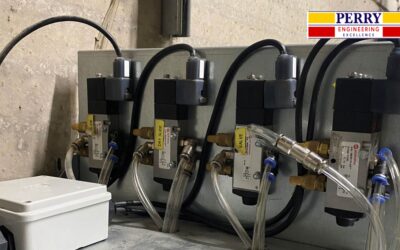
How Our Grain Sentry Moisture Control System Can Improve The Efficiency Of Your Grain Drying
The Grain Sentry Moisture Control system is used by farmers and grain stores that need to store large quantities of grain for extended periods. It helps to ensure that the grain is stored under optimal conditions, maintaining its quality and value. As a team with...
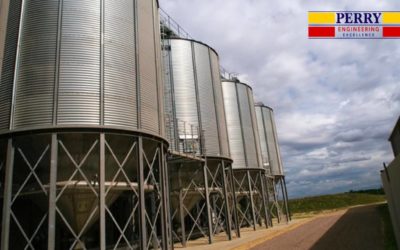
Everything You Need To Know About Perry Of Oakley Silos
We cover everything you need to know about Perry of Oakley Silos. Contact us today to discuss which silo is best for your requirements.

Why Trust Matters – 70 Years Of Engineering Excellence
Here at Perry’s, we’re the only UK company that manufactures a full range of both bulk materials handling and drying machinery. The handling equipment is capable of capacities from 8tph (agricultural specification) to 1200tph (industrial specification) and includes...
Concept Grain Systems and Perry guided us through the processes of updating our machinery; the level of expertise within the company has helped us no end. The Perry machines they recommended we installed have worked really well, and as a result, we had a very successful first year.