ATEX APPROVED MACHINES
WHAT IS ATEX ?
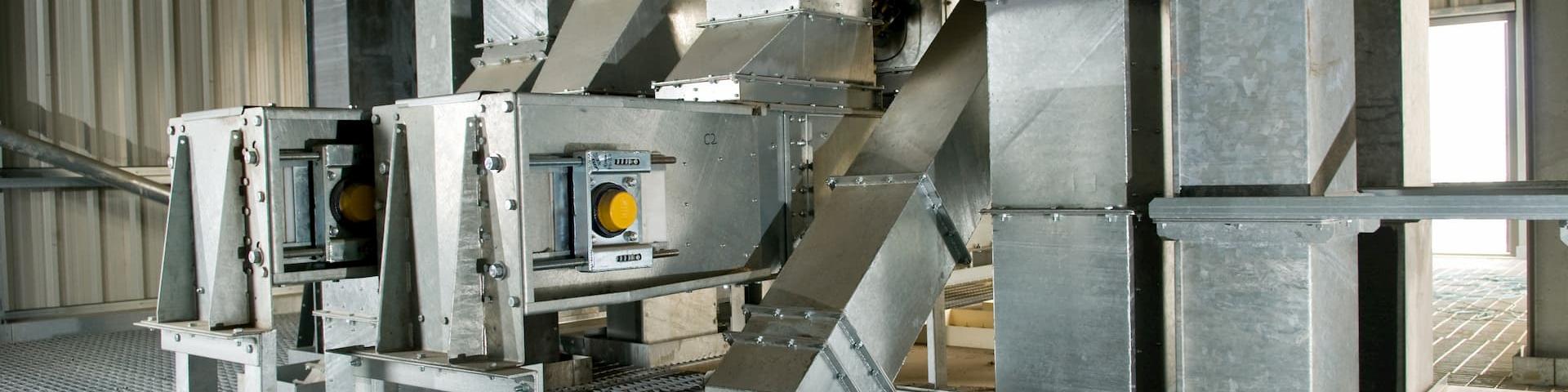
ATEX is an abbreviation for “ATmosphere EXplosible”. At the same time, ATEX is the abbreviated name of the European Directive 2014/34/EC concerning the placing on the market of explosion-proof electrical and mechanical equipment, components and protective systems. It came into force on 1 July 2003, and all new equipment and protective systems have been subject to it since that date.
14/34/EC applies to the manufacture of products which are used in potentially explosive atmospheres. Consequently, the manufacturer has sole responsibility for ensuring that any products falling within this category comply with the Directive. The ATEX Directive applies to all electrical and mechanical equipment and protective systems which are located within potentially explosive environments.
It also covers safety devices, controlling devices and regulating devices intended for use outside potentially explosive atmospheres but required for or contributing to the safe functioning of equipment and protective systems with respect to the risks of explosion.
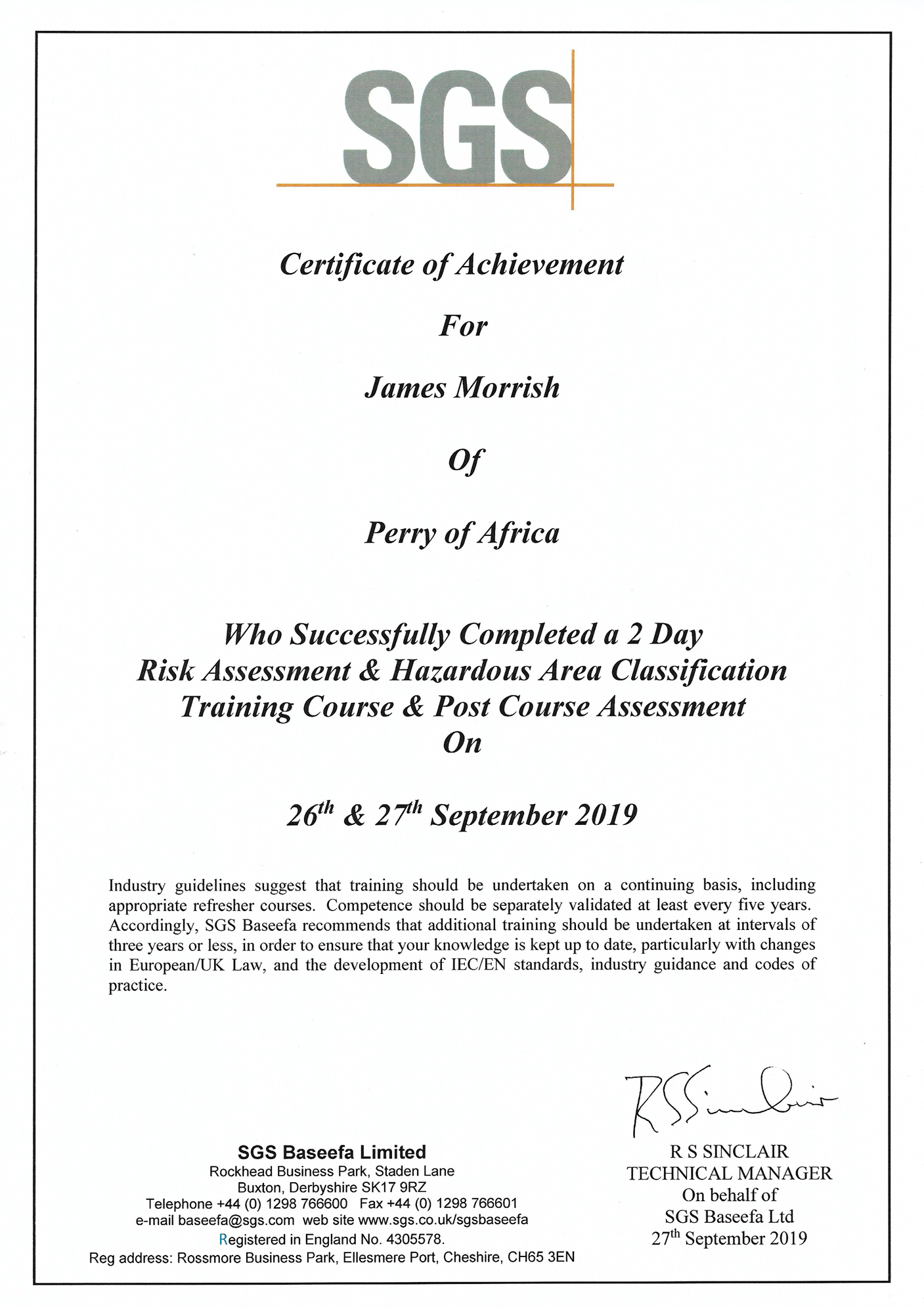
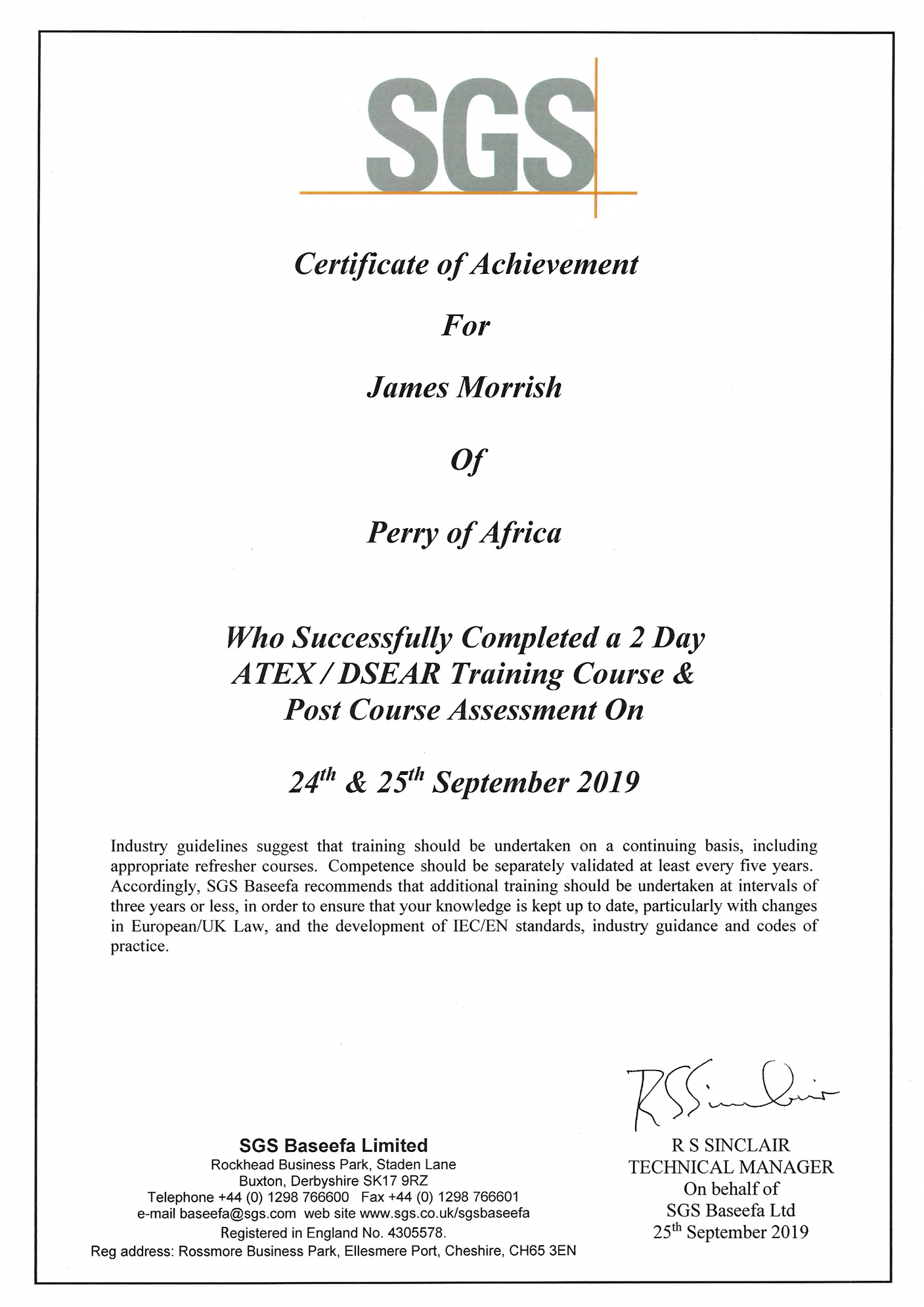
Perry Africa can now offer to our client’s a complete assessment of your facilities compliance with this directive and offer advice to improve any area that fails to comply with Directive 2014/34/EC.
ATEX Compliance in Flour and Feed Mills | Dust Explosion Prevention & ATEX Equipment
ATEX compliance is an important consideration for flour mills, feed mills, and grain processing facilities where combustible dust may be present. As grain and feed materials are handled, processed, and transported around a site, dust is naturally created. In certain conditions, airborne dust can become a fire or explosion risk if it comes into contact with an ignition source.
ATEX regulations help reduce this risk by ensuring equipment is suitable for use in potentially explosive environments. This includes using the correct machinery, electrical components, and protection systems to create a safer working environment.
How ATEX Compliance Works
Identifying Potential Risk Areas
The first step is identifying where combustible dust may be present within the facility.
These areas are often found around material handling and processing equipment, including conveyors, elevators, transfer points, valves, storage areas, and dust extraction systems.
Not every part of a mill requires the same level of protection. Risk assessments are used to determine where explosive atmospheres could occur and what level of protection is required.
ATEX Zoning and Classification
Once potential risk areas have been identified, the site is divided into ATEX zones.
These zones are based on how likely it is that an explosive atmosphere could be present and how often it may occur.
The zoning process helps determine:
- What equipment can be installed
- Which protection measures are required
- How systems should be designed
- What safety procedures need to be followed
This forms the foundation of dust explosion prevention within the mill.
Equipment Specification
After zoning requirements have been established, equipment can be selected to suit the application. This may involve choosing specialist components, electrical systems, sensors, and control equipment designed for use in ATEX-rated environments.
The aim is to reduce the likelihood of ignition and support safe operation throughout the facility.
Explosion Protection Measures
ATEX protection is not only about preventing ignition. In some applications, additional measures may be included to help manage pressure if an incident occurs. These can include explosion relief panels and other protection systems designed to reduce damage, protect equipment, and improve overall plant safety.
Equipment Used in ATEX Systems
ATEX Conveyors and Elevators
Conveyors and elevators are commonly used throughout flour and feed mills and may need to meet ATEX requirements depending on the installation. Features can include enclosed designs, suitable electrical components, and systems designed to reduce the risk of ignition.
ATEX Valves & Slides
Valves and slides often operate in areas where dust and an explosion risk are present. Correct specification helps maintain safe material flow while meeting the requirements of the relevant ATEX zone.
Sensors and Electrical Components
ATEX considerations often extend beyond major equipment. Sensors, motors, electrical connectors, switches, and other powered components may all need to be suitable for the environment in which they operate.
Explosion Relief Panels
Explosion relief panels provide a controlled route for pressure release if an explosion occurs. They can help reduce damage to equipment, improve safety, and limit the spread of pressure through connected systems.
Control Systems and Monitoring
Modern control systems help operators monitor equipment performance and identify potential issues before they develop into larger problems. Functions may include fault detection, blockage monitoring, system control, and automated safety responses.
Industry Challenges
Dust Explosion Risk
Dust is a natural by-product of grain processing and can build up around equipment and handling systems. Where dust, oxygen, and an ignition source are present together, there is potential for an explosion. Managing this risk is a big part of mill design and operation.
Understanding Compliance Requirements
ATEX regulations can be complex, particularly when determining responsibilities, zoning requirements, and equipment specifications. Many operators require specialist support to ensure the correct equipment is selected for their facility.
Upgrading Existing Facilities
Many mills contain older equipment and infrastructure that may not meet current requirements. Upgrading these systems while maintaining production can present challenges around layout, installation, and downtime.
Maintaining Production During Upgrades
Safety improvements often need to be completed during planned shutdown periods.
This requires careful planning to balance compliance requirements with operational demands and project timescales.
Our Solutions
We supply ATEX-compliant equipment for flour mills, feed mills, and grain handling facilities. This includes conveyors, elevators, valves, sides, electrical components, control systems, and other material handling equipment designed to suit the requirements of the application.
Each project is developed around the customer’s specified ATEX requirements, helping ensure equipment is suitable for the operating environment and intended use. Whether for a new installation, plant upgrade, equipment replacement, or retrofit project, solutions are designed to integrate with existing operations while supporting safety and performance requirements.
Applications
ATEX-compliant equipment, also known as ATEX-rated, may be used across a range of industries where combustible dust may be present, including:
- Flour mills
- Feed mills
- Grain processing plants
- Breweries
- Distilleries
- Maltings
- Agricultural processing facilities
Frequently Asked Questions
What is ATEX compliance in feed mills?
ATEX compliance refers to the equipment and safety measures used in areas where combustible dust could create an explosive atmosphere.
Why is ATEX important in flour mills?
Flour dust can become airborne during processing. ATEX-compliant equipment helps reduce the risk of ignition and improves plant safety.
What equipment may need to be ATEX compliant?
Depending on the zoning requirements, this may include conveyors, elevators, valves, slides, sensors, motors, electrical components, and control systems.
Does Perry supply ATEX-compliant equipment?
Yes, Perry supplies equipment designed to meet customer-specified ATEX requirements for milling and grain handling applications.
How do ATEX zones work?
ATEX zones classify areas according to the likelihood of an explosive atmosphere being present and help determine what equipment can be safely installed.
Can existing mills be upgraded for ATEX compliance?
Yes, many existing facilities can be upgraded with suitable equipment and system improvements to support compliance requirements.
Need ATEX-Compliant Equipment for Your Mill?
If your project requires ATEX-compliant equipment, Perry of Oakley can supply material handling and processing systems designed for use in flour mills, feed mills, and grain processing facilities.
From conveyors and elevators to valves, controls, and integrated handling systems, our team can help specify the right equipment for your application and operating environment.
We are very happy with the new sampling equipment, it’s a really nice machine. We are particularly impressed with the joystick controlled panel which we can program with up to ten sampling spots. It’s a big improvement on our previous system.
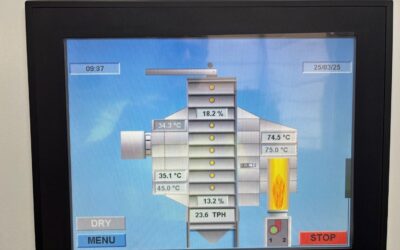
How To Drive Down Your Grain Drying Costs
We cover everything you need to know about Perry of Oakley Silos. Contact us today to discuss which silo is best for your requirements.
Which Type of Grain Dryer Should I Buy?
With over 70 years of experience, Perry of Oakley Ltd. are the UK’s most experienced manufacturer of materials drying and handling equipment. Our Dryers are relied on to manage a variety of crops, and in different climates all over the world.
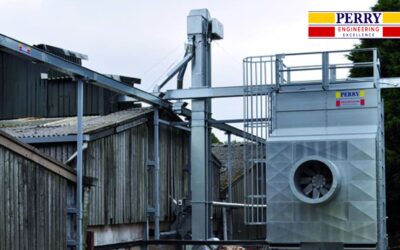
Why Buy a Perry Mistral Grain Dryer?
More efficient drying and handling equipment can be used to save medium sized farms time and money while improving satisfaction within the workplace.